


The SCO and the New Multipolar Order: Key Takeaways from the 2025 Tianjin Summit
September 3, 2025 Hour: 9:18 am
🔗 Comparte este artículo
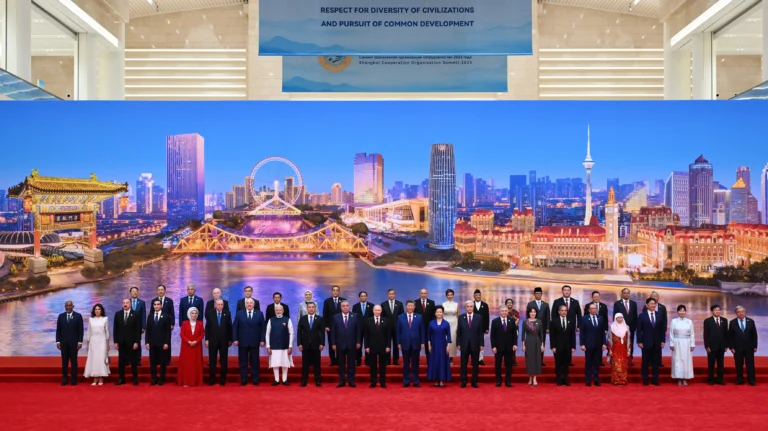
Each year, the Shanghai Cooperation Organisation (SCO) meets to review previous agreements and redefine priorities. However, the 2025 summit, held in Tianjin from August 31 to September 1, will go down in history as one of the most important since the alliance’s founding in 2001.
With the participation of figures such as Chinese President Xi Jinping, Russian President Vladimir Putin, Iranian leader Masoud Pezeshkian, and the Prime Minister of India as a special guest, the meeting reaffirmed that we are in the midst of a transition toward a new multipolar world order.
The summit was not only a space for dialogue but also a reflection of global reconfiguration: while the Western bloc insists on sanctions and rivalries, Tianjin’s discussions focused on cooperation, shared security, and national sovereignty.
Geopolitical Context: The Rise of Multipolarity
The summit took place amid growing economic tensions between the United States and China. From tariffs pushed by Donald Trump, which reached as high as 50% on certain products, to recent protectionist measures, the U.S. strategy aimed to curb China’s rise.
But the results have been the opposite of what was expected: far from being weakened, China has consolidated its global position, strengthening ties with emerging countries and strategic allies like Russia, Brazil, and India.
The United States, on the other hand, is seeing a loss of its international trade hegemony. Attempts to reinforce its leadership have clashed with a new reality: regional economies are built on principles of independence and cooperation, and they refuse to submit to external pressure.
Xi Jinping’s speech was clear and strategic: the SCO advocates for a multipolar world that respects political and cultural diversity, where no nation is forced to act under foreign interests. These principles are based on three pillars: sovereignty, cooperation, and mutual respect.
Multipolarity is not an abstract concept. The fact that powers with long-standing rivalries like China, Russia, and India sat at the same table sets a precedent. The Eurasian bloc demonstrates that, beyond tensions, there is a greater shared interest in stability, security, and growth.
Key Players and Their Positions
China: The Engine of Global Connectivity
China is solidifying its role as the SCO’s financial and strategic heart. Through the Belt and Road Initiative, it aims to create land and sea trade routes that connect Asia, Africa, and Europe. In Tianjin, Xi Jinping emphasized cooperation in renewable energy, the digital economy, artificial intelligence, and energy security. The Asian giant is not only positioning itself as an economic leader but also as a driver of South-South integration.
Russia: Resilience and Regional Security
Despite years of sanctions, Russia demonstrated its ability to remain a regional power at the summit. Vladimir Putin reiterated that the SCO has promoted economic growth for its members, pointing to increased GDP and industrial production as proof that multipolar cooperation is more stable than the prescriptions imposed by Washington or Brussels. Russia is also committed to military security in the region, projecting itself as a guarantor against destabilization attempts.
Iran: From Sanctioned Country to Strategic Partner
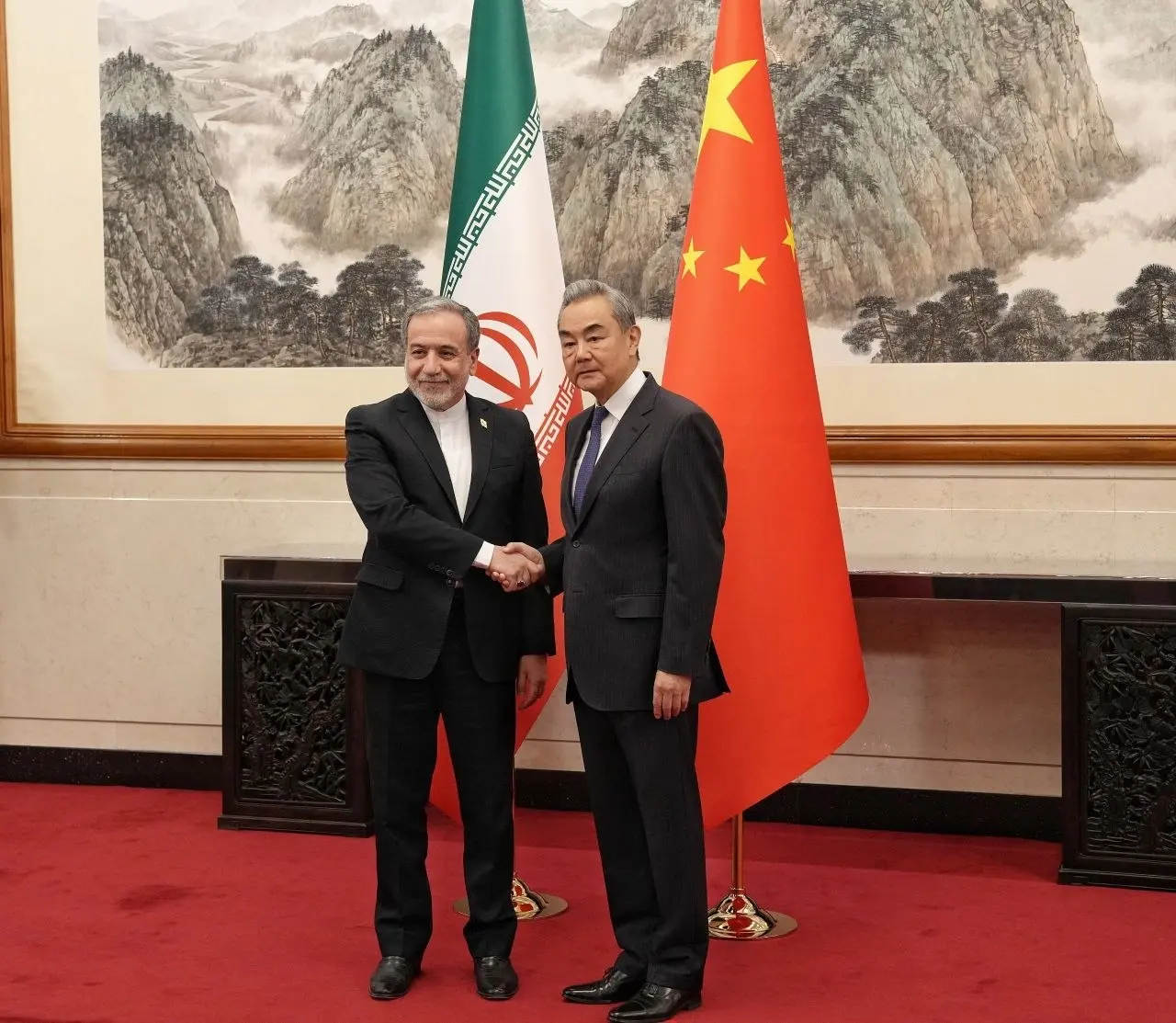
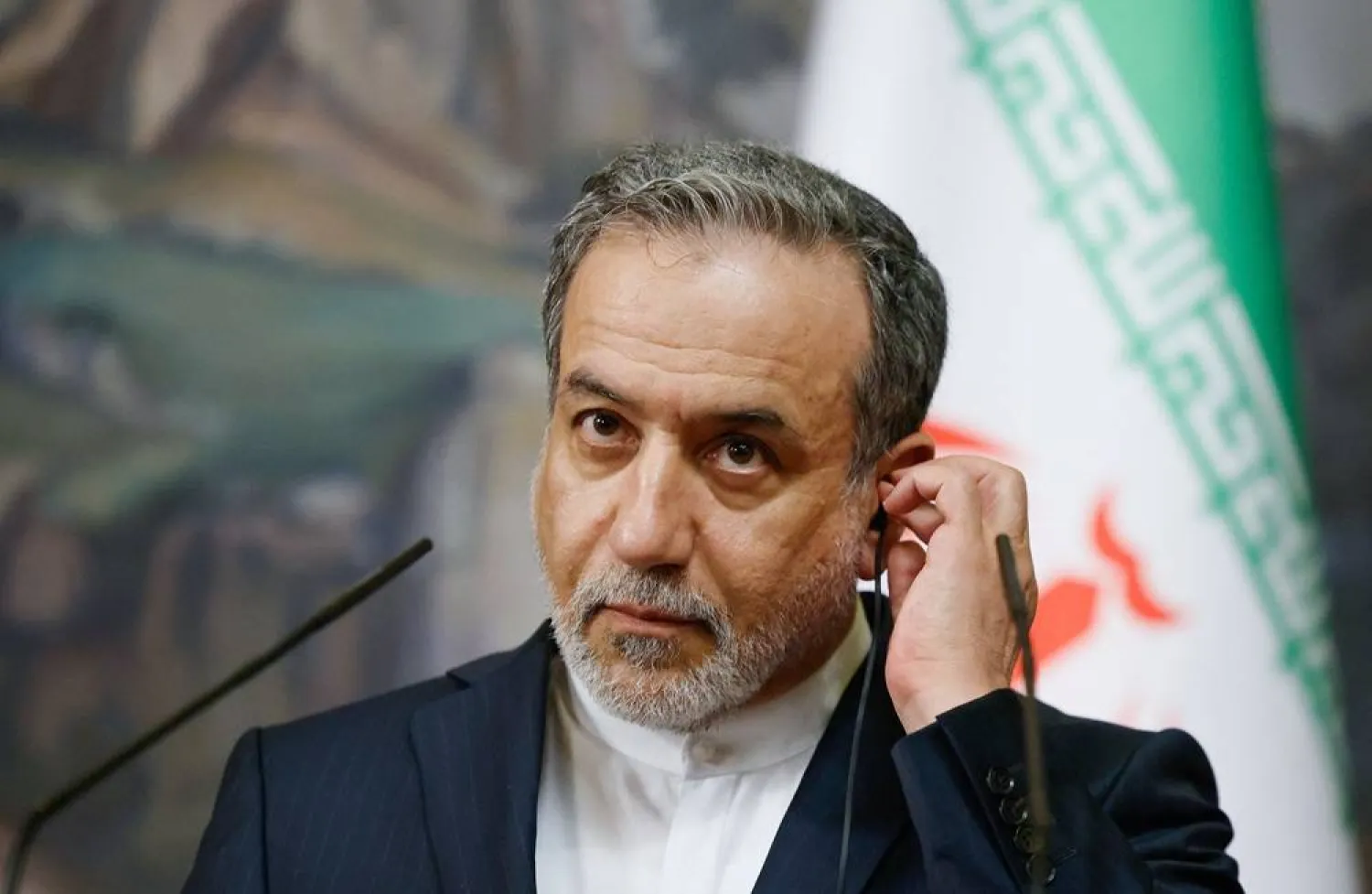
Iran, which gained full SCO membership in 2023, is playing an increasingly influential role. Despite decades of embargoes, Tehran has found a space within the SCO where it is not reduced to an enemy but is seen as a strategic partner in energy, trade, and technology. Iran’s participation sends a clear message: the region is not willing to accept unilateral sanctions that seek to isolate countries with significant resources and potential.
India: Pragmatism in Diplomacy
India is perhaps the most complex actor in the bloc. With border tensions with China and a historical rivalry with Pakistan, New Delhi maintains relationships with the West but also seeks to consolidate itself as a regional leader. The Indian Prime Minister emphasized that the summit is crucial for shared security in Asia. While its diplomacy aligns with the Western bloc, economic pressures from the United States also compel it to look toward Eurasia to ensure its sovereignty.
Main Agreements from the 2025 SCO Summit
The Tianjin Declaration
The central document condemned unilateral sanctions and attacks on civilian nuclear facilities, an implicit reference to threats against Iran. It also reaffirmed the commitment to update the UN to reflect the multipolar reality and called for a just solution to the conflict in Gaza, supporting the rights of Palestine.
Creation of the SCO Development Bank
One of the most significant advances was the approval of its own bank, with the capacity to finance regional projects without depending on institutions like the IMF and the World Bank. The goal of this new institution is to finance economic cooperation with favorable terms for member countries.
Institutional Reform
The internal categories of the SCO were restructured, unifying observers and dialogue partners under the title of “SCO partners.” This provides greater cohesion to the bloc, which also admitted Laos into this new category.
2035 Strategy and the Fight Against Extremism
A development strategy was adopted through 2035, outlining plans for trade, technology, and the environment. Additionally, a ten-year strategy was approved to combat extremism and radicalization, creating joint tools for security cooperation.
Shared Security
In Tianjin, four new regional security centers were inaugurated, focused on the fight against drug trafficking, international organized crime, terrorism, and cyberattacks. This reinforces the SCO’s commitment to guaranteeing regional stability.
Expansion of Bilateral Agreements
More than 20 agreements were signed between China and Russia on topics including artificial intelligence, energy, infrastructure, and finance. China also sealed agreements with Azerbaijan, strengthening the bloc’s economic cooperation network.
The SCO as a Global Alternative
The Tianjin Summit reaffirmed that the SCO is a central piece in the restructuring of international power. The West remains tied to policies of sanctions and military interventions; in contrast, the SCO promotes a framework of mutual respect, interdependence, and equitable economic support.
The bloc shows a unique ability to unite powers with very different national goals, demonstrating that alternative paths exist in the face of a declining unipolar hegemony. With new financial institutions, strategic plans, and security cooperation, Eurasia is emerging as a new epicenter of the global order.
The 2025 SCO Summit in Tianjin stands as a turning point: multipolarity in action. The incorporation of long-term agreements, the creation of its own development bank, the commitment to shared security, and the backing of nations pressured by sanctions, all consolidate the SCO as a robust alternative to the Western model.
The joint presence of China, Russia, and India sets a precedent: powers with differences can cooperate for their common benefit. The message to the world is undeniable: the 21st century will not be unipolar but will be diverse and Eurasian at its core.
Author: Silvana Solano
Source: TeleSur